
Synonyms for recoiled help you describe sudden physical jumps, emotional shock, or instinctive backward movements with power and precision. Imagine reaching into your dark garden bag and feeling something cold, wet, and slimy wriggle against your fingers. You immediately jerk your hand back in pure horror. That fast reaction is a classic example of how someone recoiled in real life.
Exploring different synonyms for recoiled expands your descriptive vocabulary instantly. Instead of repeating the same action verb in every paragraph, you can choose words that convey fear, disgust, hesitation, or physical springiness.
The word is commonly used in literature, news stories, and casual conversations because humans naturally pull back from sudden danger or unpleasant smells. Mastered variants elevate story pacing for authors, students, bloggers, and daily English speakers.
Learning synonyms for recoiled empowers content writers and ESL learners to express physical movement with distinct emotional shades. Using precise terms keeps your storytelling lively, engaging, and remarkably authentic in any medium.
What Does Recoiled Really Mean?
Recoiled means springing back, flinching, or shrinking away suddenly in fear, disgust, shock, or physical force. Native English speakers use it to describe both physical reactions (like a gun kicking back or a person jumping away from a snake) and mental reactions (like shrinking away from a terrible proposal).
Part of Speech: Verb (past tense of recoil)
Simple Definition: Moved back quickly and suddenly due to fear, disgust, pain, or physical force.
Connotative Meaning
(Connotation is the emotional or cultural association attached to a word beyond its literal dictionary definition.)
- Positive tone: Rarely used positively, though it can describe a playful or harmless jump back in surprise.
- Negative tone: Strongly suggests fear, terror, horror, disgust, or deep moral disapproval.
- Neutral tone: Describes physical cause-and-effect motion, such as a spring springing back after impact.

Etymology
The word comes from Old French reculer, which literally means “to go back” or “to move backward.” It combines re- (again or back) with cul (bottom or rear end, from Latin culus).
- Old English (450–1100): The term did not exist in Old English; native Germanic words like scrunken (shrank) were used.
- Middle English (1100–1500): Entered the language as recailen or reculen, meaning to retreat or yield ground in battle.
- Modern English (1500–Present): Shifted toward describing physical recoil from firearms and sudden physical or emotional reactions to unpleasant stimuli.
Pronunciation & Structure
- US IPA: /rɪˈkɔɪld/
- UK IPA: /rɪˈkɔɪld/
- Syllables: re-coiled
- Root: Coil
- Prefix: Re- (back, again)
- Suffix: -ed (past tense marker)
List of Synonyms
Flinched (Verb) — US: /flɪntʃt/ | UK: /flɪntʃt/
Meaning: Made a sudden, brief involuntary movement in response to pain, surprise, or fear.
Tone/Register: Neutral / Conversational
Example 1: He flinched when the loud firecracker exploded near his feet.
Example 2: She flinched as the bright flashlight beamed directly into her eyes.
Cringed (Verb) — US: /krɪndʒd/ | UK: /krɪndʒd/
Meaning: Contracted the body inward in fear or servility, or felt acute embarrassment.
Tone/Register: Informal / Modern Conversational
Example 1: The audience cringed when the actor dropped his lines on stage.
Example 2: He cringed at the awful sound of nails scraping down the blackboard.
Shrank (Verb) — US: /ʃræŋk/ | UK: /ʃræŋk/
Meaning: Moved back or away from something through fear, disgust, or reluctance.
Tone/Register: General / Descriptive
Example 1: The child shrank into the corner as the giant dog barked loudly.
Example 2: She shrank away from the cold wind howling through the window.
Balked (Verb) — US: /bɑːkt/ | UK: /bɔːkt/
Meaning: Hesitated or refused to accept an idea, action, or offer.
Tone/Register: Business / Formal / General
Example 1: The team balked at the idea of working through the holiday weekend.
Example 2: Buyers balked when the developer raised housing prices by twenty percent.
Quailed (Verb) — US: /kweɪld/ | UK: /kweɪld/
Meaning: Showed apprehension or drew back in fear before a daunting challenge.
Tone/Register: Formal / Literary
Example 1: The soldiers never quailed in the face of oncoming storm conditions.
Example 2: He quailed before the intimidating gaze of his demanding boss.
Blenched (Verb) — US: /blɛntʃt/ | UK: /blɛntʃt/
Meaning: Flown back or turned pale from sudden shock, fear, or pain.
Tone/Register: Formal / Literary
Example 1: The witness blenched when shown the graphic photo evidence in court.
Example 2: She blenched at the harsh criticism delivered by her mentor.
Backed away (Verb phrase) — US: /ˈbækt əˈweɪ/ | UK: /ˈbækt əˈweɪ/
Meaning: Moved backward physically to distance oneself from a threat or awkward moment.
Tone/Register: Conversational / Everyday
Example 1: He slowly backed away from the growling stray dog on the sidewalk.
Example 2: She backed away from the argument before things became too heated.
Jerked back (Verb phrase) — US: /dʒɝːkt bæk/ | UK: /dʒɜːkt bæk/
Meaning: Made a sharp, sudden, involuntary movement away from something hot or painful.
Tone/Register: Informal / Storytelling
Example 1: He jerked back his hand the moment it touched the hot stove burner.
Example 2: The cat jerked back when the curious puppy tried to sniff its tail.
Rebounded (Verb) — US: /rɪˈbaʊndɪd/ | UK: /rɪˈbaʊndɪd/
Meaning: Bounced back or sprang back physically after striking a hard surface.
Tone/Register: Technical / General
Example 1: The rubber ball rebounded sharply off the brick wall back into his hands.
Example 2: Stock prices rebounded quickly after the sudden morning market drop.
Retreated (Verb) — US: /rɪˈtriːtɪd/ | UK: /rɪˈtriːtɪd/
Meaning: Moved back away from a dangerous position or difficult confrontation.
Tone/Register: Military / Formal / Narrative
Example 1: The army retreated to safer ground as heavy rain flooded the valley.
Example 2: He retreated into his private office to avoid further personal questions.
Shuddered (Verb) — US: /ˈʃʌd.ɚd/ | UK: /ˈʃʌd.əd/
Meaning: Shook involuntarily as a result of fear, cold, or intense disgust.
Tone/Register: Descriptive / Emotional
Example 1: She shuddered at the memory of walking through the dark forest alone.
Example 2: He shuddered as the icy water hit his back in the outdoor shower.
Receded (Verb) — US: /rɪˈsiːdɪd/ | UK: /rɪˈsiːdɪd/
Meaning: Moved back or withdrew gradually from a previous position or level.
Tone/Register: Formal / Academic
Example 1: Floodwaters receded slowly after three days of bright sunshine.
Example 2: The noisy crowd receded into the distance as the train pulled away.
Wavered (Verb) — US: /ˈweɪ.vɚd/ | UK: /ˈweɪ.vəd/
Meaning: Faltered or showed hesitation in physical motion, thought, or purpose.
Tone/Register: Formal / Descriptive
Example 1: His voice wavered slightly as he delivered the emotional speech.
Example 2: She never wavered in her determination to finish the tough race.
Dodged (Verb) — US: /dɑːdʒd/ | UK: /dɒdʒd/
Meaning: Moved quickly to one side to avoid an incoming object or person.
Tone/Register: Casual / Action-oriented
Example 1: He dodged quickly to avoid getting hit by the flying baseball.
Example 2: The politician dodged the tricky question about tax increases during the interview.
Ducked (Verb) — US: /dʌkt/ | UK: /dʌkt/
Meaning: Lowered the head or body quickly to avoid a blow or avoid being seen.
Tone/Register: Everyday / Casual
Example 1: She ducked behind the counter when she saw her boss entering the shop.
Example 2: Everyone ducked low as the low-flying airplane roared overhead.
Jumped (Verb) — US: /dʒʌmpt/ | UK: /dʒʌmpt/
Meaning: Reacted to a sudden surprise or shock with a swift, startled movement.
Tone/Register: Everyday Conversational
Example 1: He jumped when the toaster popped unexpectedly behind his back.
Example 2: She jumped in surprise when her brother shouted behind the door.
Swerved (Verb) — US: /swɝːvd/ | UK: /swɜːvd/
Meaning: Changed direction abruptly to avoid hitting something in one’s path.
Tone/Register: Technical / Driving / General
Example 1: The driver swerved sharply to avoid the deer standing on the highway.
Example 2: The cyclist swerved past the open car door just in time.
Vacillated (Verb) — US: /ˈvæs.ə.leɪ.tɪd/ | UK: /ˈvæs.ɪ.leɪ.tɪd/
Meaning: Wavered mentally between different opinions or actions without resolving.
Tone/Register: Academic / Formal
Example 1: He vacillated between accepting the job offer and staying at his firm.
Example 2: Management vacillated for weeks before launching the new marketing plan.
Went wobbly (Verb phrase) — US: /wɛnt ˈwɑː.bli/ | UK: /wɛnt ˈwɒb.li/
Meaning: Became unsteady or shook physically in reaction to fear or shock.
Tone/Register: Informal / Descriptive
Example 1: His legs went wobbly as he stepped out onto the glass skywalk platform.
Example 2: She went wobbly after hearing the shocking news from the hospital.
Quivered (Verb) — US: /ˈkwɪv.ɚd/ | UK: /ˈkwɪv.əd/
Meaning: Trembled or shook with a slight rapid motion from terror or chill.
Tone/Register: Literary / Emotional
Example 1: The puppy quivered in fear during the loud summer thunderstorm.
Example 2: Her lips quivered as she tried to hold back tears of frustration.
Trembled (Verb) — US: /ˈtrɛm.bəld/ | UK: /ˈtrɛm.bəld/
Meaning: Shook involuntarily as a typical result of anxiety, excitement, or cold.
Tone/Register: General / Emotional
Example 1: His hands trembled as he opened the important test result letter.
Example 2: The entire building trembled during the minor earth tremor yesterday.
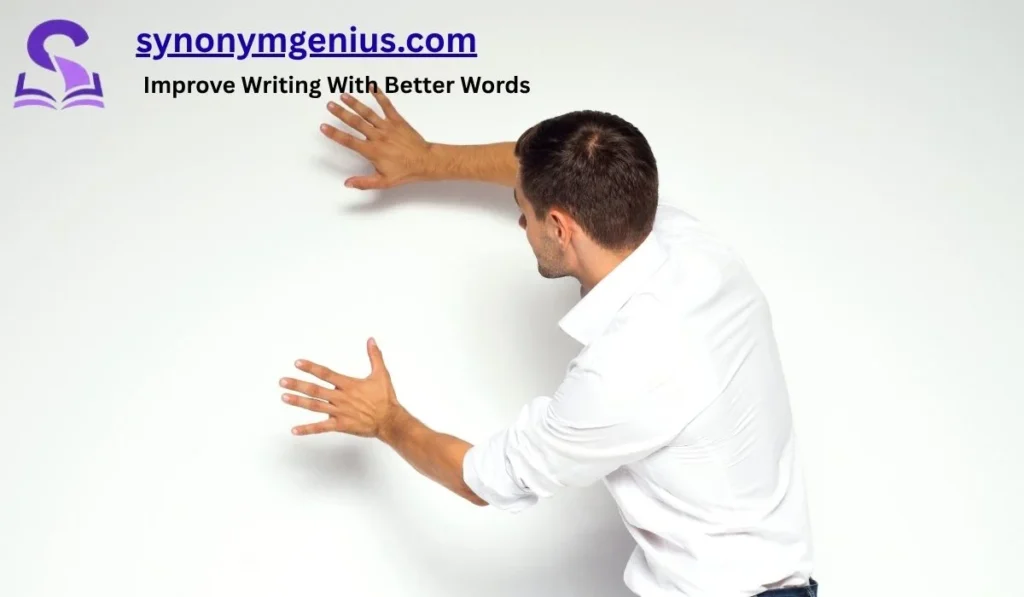
Faltered (Verb) — US: /ˈfɑːl.tɚd/ | UK: /ˈfɔːl.təd/
Meaning: Stumbled or lost momentum during physical motion or speech.
Tone/Register: Formal / Storytelling
Example 1: His footsteps faltered as he approached the dark entrance of the cave.
Example 2: She never faltered while answering tough questions from reporters.
Cowered (Verb) — US: /ˈkaʊ.ɚd/ | UK: /ˈkaʊ.əd/
Meaning: Crouched down in fear, submission, or shame before an authority or threat.
Tone/Register: Emotional / Descriptive
Example 1: The stray dog cowered under the porch during the thunderstorm.
Example 2: The frightened villagers cowered as soldiers rode through the town.
Sidestepped (Verb) — US: /ˈsaɪd.stɛpt/ | UK: /ˈsaɪd.stɛpt/
Meaning: Stepped to one side to evade something or avoided a direct issue.
Tone/Register: Business / Conversational
Example 1: He sidestepped the puddle on the sidewalk without slowing his stride.
Example 2: The manager expertly sidestepped sensitive questions about layoffs.
Winced (Verb) — US: /wɪnst/ | UK: /wɪnst/
Meaning: Made a slight involuntary grimace or shrinking movement from pain or distress.
Tone/Register: Everyday / Storytelling
Example 1: He winced as the nurse applied alcohol to his scraped knee.
Example 2: She winced at the terrible singing coming from the karaoke room.
Shied away (Verb phrase) — US: /ʃaɪd əˈweɪ/ | UK: /ʃaɪd əˈweɪ/
Meaning: Showed hesitation, nervousness, or avoidance toward a task or person.
Tone/Register: General / Descriptive
Example 1: The wild horse shied away whenever anyone tried to pet its mane.
Example 2: He always shied away from public speaking opportunities at work.
Stepped back (Verb phrase) — US: /stɛpt bæk/ | UK: /stɛpt bæk/
Meaning: Moved one step backward to gain space, perspective, or safety.
Tone/Register: Everyday / Business
Example 1: She stepped back from the edge of the subway platform as the train roared in.
Example 2: The leadership team stepped back to evaluate their strategy objectively.
Recoiled in horror (Verb phrase) — US: /rɪˈkɔɪld ɪn ˈhɔːr.ɚ/ | UK: /rɪˈkɔɪld ɪn ˈhɒr.ər/
Meaning: Reacted with extreme physical shock and revulsion toward an appalling sight.
Tone/Register: Dramatic / Literary
Example 1: The detective recoiled in horror when he opened the door to the crime scene.
Example 2: Everyone recoiled in horror as the bridge cable suddenly snapped on live TV.
Sprang back (Verb phrase) — US: /spræŋ bæk/ | UK: /spræŋ bæk/
Meaning: Returned quickly to an original shape or position after being bent or compressed.
Tone/Register: Technical / Physical
Example 1: The metallic limb sprang back into position after pressure was released.
Example 2: The heavy tree branch sprang back and hit the hiker on the arm.
Snapped back (Verb phrase) — US: /snæpt bæk/ | UK: /snæpt bæk/
Meaning: Returned sharply to a position or delivered a fast, sharp verbal response.
Tone/Register: Informal / Storytelling
Example 1: The elastic band snapped back and struck his thumb painfully.
Example 2: She snapped back at him after he criticized her report publicly.
Startled (Verb) — US: /ˈstɑːr.t̬əld/ | UK: /ˈstɑː.təld/
Meaning: Moved or reacted abruptly due to sudden surprise, alarm, or fright.
Tone/Register: General / Everyday
Example 1: The loud knock at the window startled him out of his deep sleep.
Example 2: She startled when the cat leaped onto her desk unexpectedly.
Drew back (Verb phrase) — US: /druː bæk/ | UK: /druː bæk/
Meaning: Pulled one’s body or hand backward away from a person or object.
Tone/Register: Descriptive / Narrative
Example 1: He drew back his fingers after touching the sharp cactus spine.
Example 2: She drew back in surprise when the curtain suddenly swung open.
Pulled back (Verb phrase) — US: /pʊld bæk/ | UK: /pʊld bæk/
Meaning: Withdrew physical position or cancelled an ongoing military or personal commitment.
Tone/Register: General / Conversational
Example 1: The company pulled back its investment after seeing the poor market results.
Example 2: He pulled back his arm right before delivering the punch.
Shied (Verb) — US: /ʃaɪd/ | UK: /ʃaɪd/
Meaning: Startled and leaped aside suddenly out of fear or alarm.
Tone/Register: Literary / Animal behavior
Example 1: The startled stallion shied sharply when a piece of paper blew across the road.
Example 2: The timid deer shied into the thick woods at the sound of footfalls.
Yielded (Verb) — US: /ˈjiːl.dɪd/ | UK: /ˈjiːl.dɪd/
Meaning: Gave way or moved backward under force, pressure, or emotional defeat.
Tone/Register: Formal / Academic
Example 1: The wooden door yielded to the heavy battering ram after several strikes.
Example 2: He yielded ground in the debate when faced with hard financial data.
Evaded (Verb) — US: /ɪˈveɪ.dɪd/ | UK: /ɪˈveɪ.dɪd/
Meaning: Escaped or avoided physical contact, danger, or difficult questioning skillfully.
Tone/Register: Formal / Legal / General
Example 1: The fugitive evaded capture by slipping through the narrow alleys.
Example 2: She evaded the reporter’s personal questions with a calm smile.
Backpedaled (Verb) — US: /ˈbæk.pɛd.əld/ | UK: /ˈbæk.pɛd.əld/
Meaning: Reversed one’s opinion, statement, or physical movement hastily under pressure.
Tone/Register: Informal / Media / Business
Example 1: The candidate backpedaled rapidly after making a controversial statement on live TV.
Example 2: He backpedaled away from the aggressive customer standing at the counter.
Stumbled back (Verb phrase) — US: /ˈstʌm.bəld bæk/ | UK: /ˈstʌm.bəld bæk/
Meaning: Took unsteady backward steps while losing balance due to shock or physical impact.
Tone/Register: Narrative / Storytelling
Example 1: He stumbled back against the bookcase after the sudden blast.
Example 2: She stumbled back in shock when she recognized the face in the photograph.
Turned away (Verb phrase) — US: /tɝːnd əˈweɪ/ | UK: /tɜːnd əˈweɪ/
Meaning: Redirected one’s gaze or body away to avoid seeing something unpleasant.
Tone/Register: General / Everyday
Example 1: She turned away from the gruesome movie scene unfolding on screen.
Example 2: He turned away in disappointment when his team lost the match.
Reverted (Verb) — US: /rɪˈvɝː.tɪd/ | UK: /rɪˈvɜː.tɪd/
Meaning: Returned to a previous state, practice, condition, or habit.
Tone/Register: Formal / Technical
Example 1: The software reverted to its default settings after the power outage.
Example 2: Under extreme stress, he reverted to his old nervous habits.
Grouping synonyms for recoiled by tone helps you choose the right word for any specific situation:
Synonyms by Tone
- Positive / Neutral (Physical motion): Rebounded, Sprang back, Stepped back, Receded, Reverted.
- Neutral / General (Startled or evasive): Flinched, Dodged, Ducked, Jumped, Sidestepped, Startled, Pulled back, Drew back, Evaded, Turned away.
- Negative / Severe (Fear or disgust): Cowered, Quailed, Recoiled in horror, Shrank, Blenched, Stumbled back, Shied.
- Informal / Modern: Cringed, Jerked back, Snapped back, Went wobbly, Backpedaled.
Tone matters in word choice because saying a person cowered during a light business debate makes them sound terrified and weak. Using a precise term like sidestepped, evaded, or balked keeps your context accurate and professional.
Mini Comparison
| Word | Specific Shade of Meaning | Tone | Best Usage Context |
| Recoiled | Sudden physical or emotional pullback caused by disgust or shock | Dramatic / Strong | Horror, intense disgust, physical kickback |
| Flinched | Slight, brief involuntary twitch caused by pain or surprise | Neutral / Common | Physical pain, sudden noises, bright lights |
| Cringed | Shrinking inward from intense embarrassment or awkwardness | Informal / Social | Social blunders, awkward jokes, terrible sounds |
Context-Based Usage
- Daily Conversation: Use friendly or casual terms like jumped, ducked, winced, or cringed. Native speakers use these terms naturally during daily chats about movies, surprises, or minor accidents.
- Writing & Blogging: Choose descriptive terms like flinched, shrank, backed away, stumbled back, or shuddered. These terms build suspense and hold reader attention effectively.
- Professional & Academic Tone: Opt for balked, vacillated, retreated, evaded, or sidestepped. These words convey professional hesitation or strategic movement without sounding overly dramatic.
- Creative & Informal Use: Experiment with recoiled in horror, quailed, blenched, or cowered to create rich imagery in narrative storytelling.
Common Mistakes & Native Usage
Misuse Scenarios & Overuse
A frequent mistake learners make is using cringed when they actually mean recoiled. Cringed usually describes social awkwardness or mild embarrassment today, whereas recoiled implies physical shock, fear, or revulsion. Another error is confusing recoil (pull back) with reconcile (make peace).
Register Notes
Avoid using heavy literary terms like blenched or quailed in casual text messages; it makes your speech sound unnatural. In professional business emails, replace dramatic phrases like recoiled from the idea with formal alternatives like balked at the proposal.

Real-Life Mini Scenarios
- Workplace Example: The project manager balked when the client requested a complete redesign two days before the deadline.
- Social Situation Example: She winced slightly when her friend accidentally spilled hot coffee on the dining table.
- Media & Pop Culture Example: Viewers cringed during the live award ceremony when the host made an awkward joke.
- Writing & Storytelling Example: The explorer recoiled in horror as the dark cave entrance collapsed right behind him.
Interactive Practice Quiz
Test your mastery of these vocabulary words with this simple 10-question quiz:
- Which synonym best describes pulling back your hand from a hot stove?
a) Vacillated
b) Jerked back
c) Quailed
d) Receded - What is the most appropriate word for a company refusing a high price?
a) Balked
b) Ducked
c) Quivered
d) Blenched - Which term refers to social embarrassment rather than physical fear?
a) Rebounded
b) Cringed
c) Swerved
d) Recoiled - Choose the formal literary term that means to turn pale from shock:
a) Dodged
b) Blenched
c) Jumped
d) Snapped back - Which word describes a spring returning to its original shape?
a) Cowered
b) Faltered
c) Rebounded
d) Winced - What is the prefix in the word recoiled?
a) -coiled
b) Re-
c) Rec-
d) -ed - Which word best fits a soldier crouching down in terror?
a) Sidestepped
b) Cowered
c) Dodged
d) Receded - Select the word that best describes a driver turning quickly to miss a deer:
a) Swerved
b) Vacillated
c) Quailed
d) Shrank - What register does the word “cringed” typically belong to in modern English?
a) Medical Legal
b) Informal / Modern
c) Military Classical
d) Academic Scientific - Which synonym fits an academic paper discussing ocean tides moving back?
a) Receded
b) Cringed
c) Jerked back
d) Flinched
Application Task: Write one original sentence using the synonym flinched to describe a real-life situation you experienced recently.
Answer Key: 1-b, 2-a, 3-b, 4-b, 5-c, 6-b, 7-b, 8-a, 9-b, 10-a
Frequently Asked Questions
1. What is the most common everyday synonym for recoiled?
The most common everyday synonym is flinched or backed away. Native speakers use flinched when someone twitches back from sudden pain or surprise, while backed away describes physically stepping away from danger.
2. Is recoiled always used for physical movement?
No, recoiled is not always physical. People often say someone “recoiled at the thought” or “recoiled from the offer,” meaning they felt deep mental disgust or horror toward an idea or situation.
3. How does recoiled differ from flinched?
Recoiling usually involves a larger physical or emotional pulling back caused by shock, disgust, or physical force. Flinching is typically a smaller, faster involuntary twitch caused by pain, bright light, or sudden surprise.
4. What is a good formal or academic synonym for recoiled?
Good formal or academic synonyms include balked, receded, or vacillated. These words describe hesitation, physical withdrawal, or indecision without using dramatic or emotional language.
5. Why is learning synonyms for recoiled important for writers?
Learning synonyms for recoiled helps writers create clearer descriptions and avoid repetitive action words. Choosing the right term improves story pacing and shows readers exact emotional intensity.
Conclusion
Mastering synonyms for recoiled enhances your descriptive power and enables you to express subtle physical and emotional reactions clearly across various contexts.
Using precise synonyms for recoiled strengthens your creative writing, blogging, public speaking, and daily communication skills significantly over time.
Try practicing these fresh terms in your emails, essays, and casual conversations to make your English sound natural, vivid, and highly expressive!

Samia Noor is the founder and lead writer at SynonymGenius.com, where she creates accurate, reader-focused English language content that helps people communicate with clarity and confidence. She specializes in synonyms, antonyms, word meanings, idioms, and practical vocabulary guides that make complex language concepts simple and easy to understand. Every article is thoroughly researched, carefully fact-checked, and written in clear, accessible language using reliable sources and real-world examples. Her mission is to provide trustworthy, high-quality content that supports students, writers, educators, professionals, and English learners at every stage of their language journey.
Her editorial approach emphasizes accuracy, transparency, and genuine value for readers while following modern E-E-A-T and content quality standards. She regularly reviews and updates published content to ensure it remains current, reliable, and easy to understand. Through SynonymGenius.com, Samia Noor is committed to publishing dependable language resources that help readers expand their vocabulary, strengthen their writing skills, improve communication, and build confidence in academic, professional, and everyday English.